
Browse Items (72 total)
Sort by:
Temporary Restraining Order
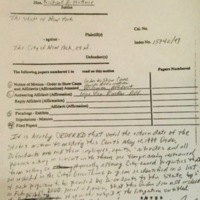
This temporary restraining order, issued by Judge Richard Huttner, protected hundreds of gardens after the destruction by the city of Esperanza Community Garden. This court order was eventually folded into the Eliot Spitzer agreement in 2002.
Lewis B. Parsons to Montgomery Blair, Thursday, February 19, 1863
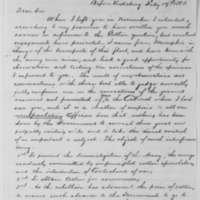
Quartermaster Lewis B. Parsons wrote to share his observations of the cotton trade in occupied territory. Considering the widespread speculation in cotton among officers, he recommended that all cotton be declared the property of either the federal…
Proclamation! To all Citizens of The City of New York
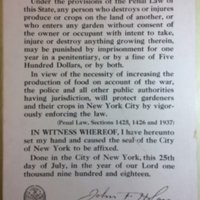
1918 Proclamation signed by John F. Hylan, the 96th Mayor of the City of the New York, declaring the punishment of any person caught destroying crops or entering gardens illegally with negative intentions.
Gardens are Great, but not at the Expense of New Housing
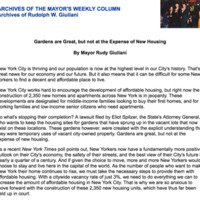
Weekly Column by Mayor Giuliani in September 2001, arguing for the destruction of community gardens to make room for housing development projects.
Press Release: Giuliani Announces Agreement to Sell GreenThumb Gardens
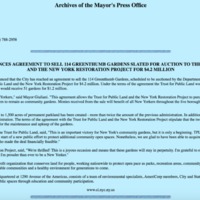
Press Release from May 1999, announcing 114 Greenthumb Gardens would be sold to the Trust for Public Land and the New York Restoration Project for $4.2 million, both nonprofit groupsthat conserves land for people to ensure livable communities and a…
New York, New York. Children's school victory gardens on First Avenue between Thirty-fifth and Thirty-sixth Streets
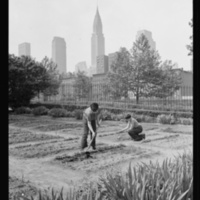
Young boys tending to garden plot on First Avenue. Chrysler Building can be seen in background.
New York Harbor

This is a photograph of New York Harbor today.
Namm's Flower Shop - Plant a Victory Garden!
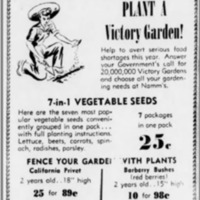
Brooklyn Daily Eagle Advertisement promoting Victory Gardens
Nathaniel P. Banks to Abraham Lincoln, Friday, December 18, 1863
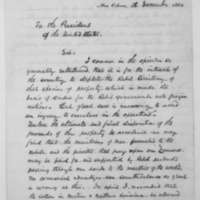
Major General Nathaniel P. Banks wrote to Lincoln in late 1863 to urge caution in the cotton trade. Banks was adamant that no amount of profit could counterbalance the certain wrong of finding "the munitions of war furnshed [sic] to the Rebels."
SCHOOL GARDENS turn Spare Time, Idle Land, Surplus Energy into Good Times, Good Things to Eat, Good Health
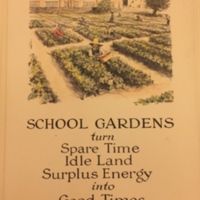
Hand drawn poster from the National Child Welfare Association on 70 fifth Avenue in New York City depicting children tending to garden plots in front of a school building