
Browse Items (31 total)
- Collection: Trading with the Enemy: Cotton Permits, Smuggling, and Speculation in the Civil War
Sort by:
An Official Report of the Rebel Commissary Department
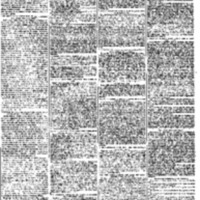
The New York Herald published the testimony of Confederate officer regarding the effects of the official cotton trade between the Union and the Confederacy. According to the transcript, the cotton trade directly prolonged the war by giving the…
Are We to Recognize the Southern Confederacy
Newspaper editorial published in the Liverpool Mercury raising the specter of potentially siding with the Confederacy if the Union didn't end its war with the South.
Cotton Permit for Fergus Peniston
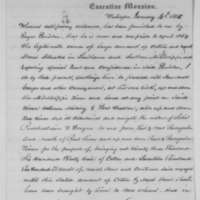
This permit authorized Fergus Peniston, a Louisiana cotton merchant, to transport and sell the cotton he possesses. In order to obtain this permit, Peniston wrote several petitions to Lincoln and enlisted friends of the administration to write on his…
Cotton Report [With Endorsement by Lincoln], February 16, 1863
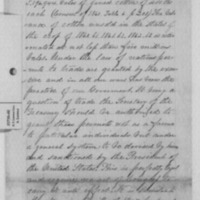
In this report from 1863, an unknown advisor wrote to Lincoln outlining the benefits of continuing to trade for cotton, as well as precautions that would minimize the risk to the war effort. Lincoln endorsed the back of the report as "A. cotten…
Cotton vs. Currency
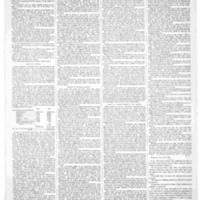
Editorial written in 1864 by Edward Atkinson, a cotton mill executive and abolition activist. He argued that the current cotton trading system is inefficient and rife with corruption. Since it did not prevent money and goods from getting back to the…
Curtis' Cotton Crimes. The Cotton Speculations as Developed in the Trials before General McDowell
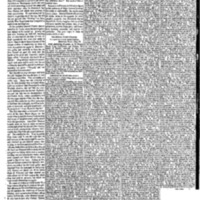
The Crisis, an Ohio newspaper sympathetic to the Confederacy, published this editorial excoriating Major General Curtis for using his authority to confiscate and sell cotton. The editorial is followed by a transcript of Major General Steele's…
Excerpts from Washburne’s Report on Trade with the Rebellious States
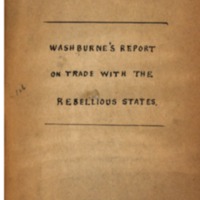
38th Congress Committee on Commerce Investigative Report to accompany Bill H. R. No. 805; Investigating Trade with Confederate States.
Fergus Peniston to Abraham Lincoln, Monday, September 05, 1864 (Requests permission to take control of property in Louisiana)
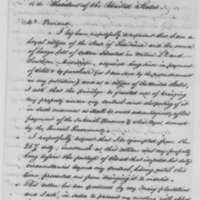
In this letter, Fergus Peniston, a Louisiana cotton merchant, requested permission from the executive branch to transport a substantial amount of cotton to market. He further petitioned President Lincoln for relief from certain taxes and to trade…
Fergus Peniston to Abraham Lincoln, Wednesday, December 28, 1864 (Requests tax exemption)
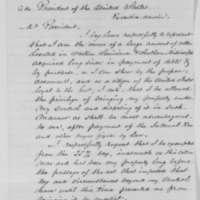
In this second petition to President Lincoln, Louisiana cotton merchant Fergus Peniston reiterated his request for an exemption from a particular tax on his cotton that was passed after he acquired the cotton and freedom to trade outside…
Fergus Penniston, Saturday, April 16, 1864 (Affidavit concerning cotton at New Orleans; certified by Michael Hahn)
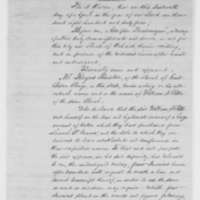
This affidavit, written by Alphonse Boudousquie and certified by Governor Michael Hahn, affirmed that Fergus Peniston and William Pike owned substantial quantities of cotton and were loyal citizens of the United States during the war. Affidavits like…