
Browse Items (31 total)
- Collection: Trading with the Enemy: Cotton Permits, Smuggling, and Speculation in the Civil War
Sort by:
The Cotton Supply and the Blockade
This report in the Boston Daily Advertiser used the Manchester Cotton Report to estimate the amount of cotton that had evaded the Union blockade.
Nathaniel P. Banks to Abraham Lincoln, Friday, December 18, 1863
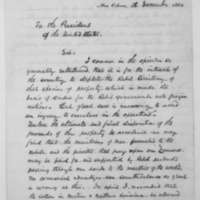
Major General Nathaniel P. Banks wrote to Lincoln in late 1863 to urge caution in the cotton trade. Banks was adamant that no amount of profit could counterbalance the certain wrong of finding "the munitions of war furnshed [sic] to the Rebels."
Lewis B. Parsons to Montgomery Blair, Thursday, February 19, 1863
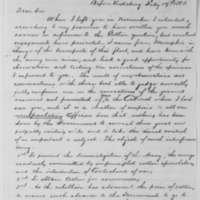
Quartermaster Lewis B. Parsons wrote to share his observations of the cotton trade in occupied territory. Considering the widespread speculation in cotton among officers, he recommended that all cotton be declared the property of either the federal…
Letter from William Rathbone V to William Rathbone VI
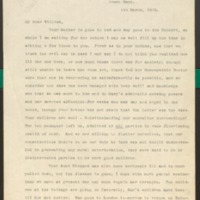
A letter from William Rathbone V, a wealthy Liverpool merchant and politician, to his son William Rathbone VI, noting distress among the poor in Liverpool.
The levee at Memphis, Tenn.
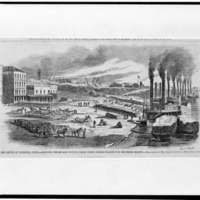
Engraving for Harper's Weekly of cotton and sugar brought out to be sold after the fall of Memphis to the Union Army.
Memphis Under the Stars and Stripes
In this account of the occupation of Memphis by Federal troops, the correspondent emphasized the loyalty of the locals and their eagerness to trade. He described stores of cotton and sugar hidden from the Confederates brought out to be sold in Union…
The War in New England
This report from the New York Herald examined the economic impact of the war on New England. While many factories shut down because of the cotton shortage, the article reported that textile workers were gainfully employed as newly enlisted soldiers…
Mills Stopped

News article reporting the closing of textile mills in Fall River, MA.
Untitled editorial from the Providence Post
This editorial, originally from the Providence Post but reprinted in the Columbian Register, discussed views on abolition in England. The correspondent asserted that the British care more for a stable cotton supply than the freedom of the slaves and…
An Official Report of the Rebel Commissary Department
The New York Herald published the testimony of Confederate officer regarding the effects of the official cotton trade between the Union and the Confederacy. According to the transcript, the cotton trade directly prolonged the war by giving the…