
Browse Items (72 total)
Sort by:
Building Liz Christy Garden, Bowery and Houston Streets, 1973
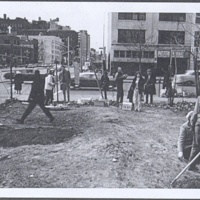
Photos from fellow activist Donald Loggins show New York City's first community garden being planted in 1973, on the corner of Bowery and Houston
Cotton vs. Currency
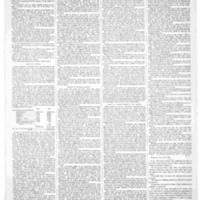
Editorial written in 1864 by Edward Atkinson, a cotton mill executive and abolition activist. He argued that the current cotton trading system is inefficient and rife with corruption. Since it did not prevent money and goods from getting back to the…
Letter from Elihu B. Washburne to Abraham Lincoln
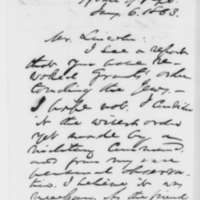
Letter from Elihu B. Washburne to Abraham Lincoln taking issue with his decision to revoke Ulysses S. Grant's General Orders No. 11, expelling Jews from his military department.
Excerpts from Washburne’s Report on Trade with the Rebellious States
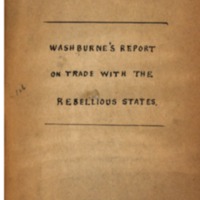
38th Congress Committee on Commerce Investigative Report to accompany Bill H. R. No. 805; Investigating Trade with Confederate States.
An Official Report of the Rebel Commissary Department
The New York Herald published the testimony of Confederate officer regarding the effects of the official cotton trade between the Union and the Confederacy. According to the transcript, the cotton trade directly prolonged the war by giving the…
Earth Celebrations' Rites of Spring: Processing to Save Our Gardens
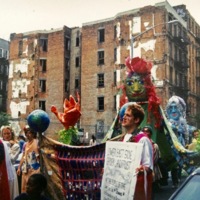
Volunteers carry a Ceremonial Map that marks the location of each garden in a procession to acknowledge the presense of the gardens, not as vacant lots, but as living spaces cultimated by the community with active cultural programming.
Fergus Peniston to Abraham Lincoln, Monday, September 05, 1864 (Requests permission to take control of property in Louisiana)
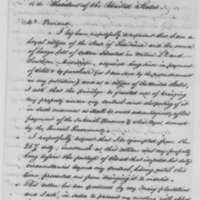
In this letter, Fergus Peniston, a Louisiana cotton merchant, requested permission from the executive branch to transport a substantial amount of cotton to market. He further petitioned President Lincoln for relief from certain taxes and to trade…
Fergus Peniston to Abraham Lincoln, Wednesday, December 28, 1864 (Requests tax exemption)
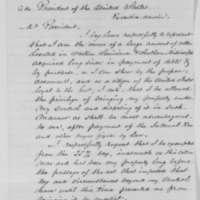
In this second petition to President Lincoln, Louisiana cotton merchant Fergus Peniston reiterated his request for an exemption from a particular tax on his cotton that was passed after he acquired the cotton and freedom to trade outside…
NYC Green Guerilla Grenade Original Instructions
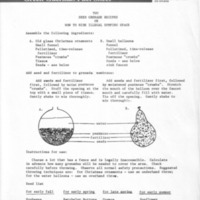
Green Guerillas Fact Sheet: Two Seed Grenade Recipes or How to Hide Illegal Dumping Space
Hannibal Hamlin to Abraham Lincoln, Tuesday, January 03, 1865 (Cotton permit for Fergus Peniston)
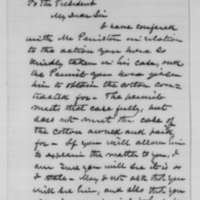
Vice President Hannibal Hamlin wrote to President Lincoln requesting that he expand the terms of the cotton permit for Fergus Peniston. The support of influential politicians and administration insiders was helpful for merchants seeking permission to…