
Browse Items (31 total)
- Collection: Trading with the Enemy: Cotton Permits, Smuggling, and Speculation in the Civil War
Sort by:
The Cotton Supply and the Blockade
This report in the Boston Daily Advertiser used the Manchester Cotton Report to estimate the amount of cotton that had evaded the Union blockade.
Samuel R. Curtis to Richard McAllister, Wednesday, July 01, 1863
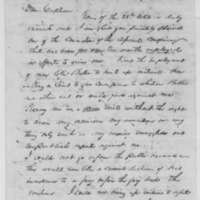
Major General Samuel Curtis flatly denied any speculation, profiteering, or abuse of power in his letter to Commissary of Subsistence Richard McAllister. Curtis attributes the charges to "an infernal conspiracy" and is adamant that he never sold any…
South Carolina Senator James Henry Hammond "Cotton is King" speech on floor of Senate
Excerpts from a speech delivered in the senate before the civil war, South Carolina senator James Henry Hammond warned of dire consequences if the south was unable to deliver cotton to the world.
Excerpts from Washburne’s Report on Trade with the Rebellious States
38th Congress Committee on Commerce Investigative Report to accompany Bill H. R. No. 805; Investigating Trade with Confederate States.
Letter from Abraham Lincoln to William Kellogg, Monday, June 29, 1863 (Cotton permit for Amos Babcock)
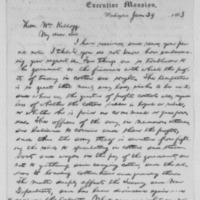
Abraham Lincoln to William Kellogg, rejecting his attempts to secure a cotton permit for former Illinois legislator, Amos Babcock. Lincoln scolded Kellogg for his single-minded pursuit of a permit and observed the corruption already associated with…
Curtis' Cotton Crimes. The Cotton Speculations as Developed in the Trials before General McDowell
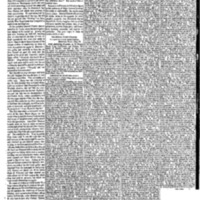
The Crisis, an Ohio newspaper sympathetic to the Confederacy, published this editorial excoriating Major General Curtis for using his authority to confiscate and sell cotton. The editorial is followed by a transcript of Major General Steele's…
Cotton Permit for Fergus Peniston
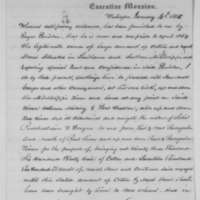
This permit authorized Fergus Peniston, a Louisiana cotton merchant, to transport and sell the cotton he possesses. In order to obtain this permit, Peniston wrote several petitions to Lincoln and enlisted friends of the administration to write on his…
Relief for Starving Thousands
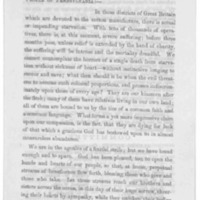
In this leaflet, Pennsylvania philanthropists solicited charitable donations for unemployed British textile workers. The sudden decline in the cotton supply created by the Civil War led to widespread reports of "actual or impending starvation" in…
Cotton vs. Currency
Editorial written in 1864 by Edward Atkinson, a cotton mill executive and abolition activist. He argued that the current cotton trading system is inefficient and rife with corruption. Since it did not prevent money and goods from getting back to the…
Are We to Recognize the Southern Confederacy
Newspaper editorial published in the Liverpool Mercury raising the specter of potentially siding with the Confederacy if the Union didn't end its war with the South.