The Price of Freedom: Loyalism, the American Revolution, and the Flight from NYC
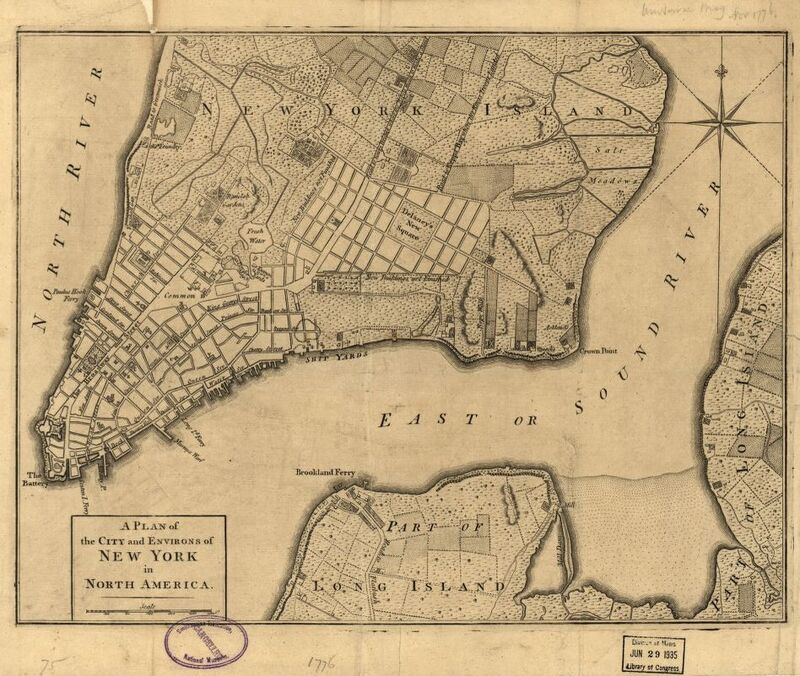
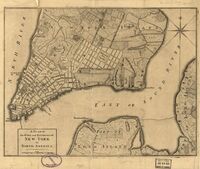
New York City, Summer 1776. As the British fleet sailed into New York Harbor and up the various waterways surrounding the city, residents, soldiers, and statesmen on both sides of the conflict held their breath. Which side would hold onto this crucial area within the North American colonies, and how would war between a mother country and her colonies redefine both the city, and American society? In the leadup to this moment, New York City had become a major area of conflict between the Patriot and Loyalist factions during the period of increased British taxation between 1764-1775. Massive tensions and violence between the two groups only worsened the divide, helping to stoke the flames of revolution. With the outbreak of war, New York City was transformed into the main battlefield during the campaign of 1776. British forces converged upon the city due to its incredibly strategic geography and strong cultural and financial ties to Great Britain, while the Continental Army was fiercely devoted to retaining it to ensure the colonies would not be divided in half. Battles waged across areas such as Brooklyn and up the island of Manhattan, and the Americans’ inability to defend the city eventually led to their strategic retreat, avoiding a total defeat so early on in the conflict. The city came under British control, becoming a Loyalist hub and the British military headquarters, for the remainder of the war. However, following the Continental Army’s victory, groups of both black and white Loyalists, threatened and persecuted by the new American government, left New York City to never return.
What were the different motivations of Loyalists who left New York City after the American Revolution? We seek to answer this historical inquiry by examining the characters of different types of Loyalists—both the contexts under which they joined the Loyalist faction, and the circumstances that led to their leaving the city behind in order to retain their personal version of freedom. To illustrate this, we have put together an archive of primary sources detailing the experiences of Loyalists interacting with, and ultimately abandoning, New York City during this time, focusing on a broader range of individuals that are too often left out of the quintessential narrative. Our goal is to bring New York City high school students, as well as other audiences, back in time to the tumultuous New York City of the late 18th century. We seek to complicate the notions they hold about the Loyalist narrative during this era, and challenge them to recognize the diversity of experiences within this faction. We also ask them to reimagine the city they know so well, and make connections between how the city acted as an epicenter of a defining historical moment then, and how it continues to do so now.
By embracing the rich heritage of New York City’s lesser known history, we are able to assist New York City high school students in connecting their own learned experiences with those of the past. With one of the most racially and ethnically diverse student bodies in the United States as our audience, we hope that the diversification of our archival material will help them feel represented in an often white-dominated historical moment. Furthermore, we ask these students to look critically at their own historical knowledge, to question the narrative of American history they have received, and recognize the historical experiences that are missing or obscured. Finally, we aim to have these students closely examine their own experiences living in the city, and realize that while New York City is thought to be the place of opportunity and freedom for all, that notion does not always hold true, both in the past and the present.