Medical Isolation: Public Health and Stigmatization from Blackwell's Island to the AIDS Epidemic
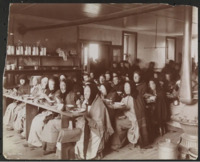
How have the sick and poor been historically isolated...
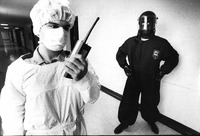
...and stigmatized by New York's public health practices?
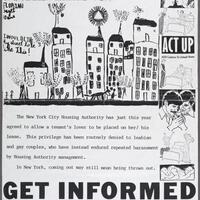
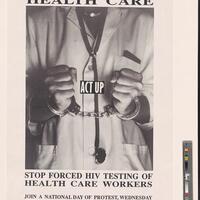
New York public health and safety interventions have historically employed blunt force—both through compulsory isolation of affected populations and the exclusion of high risk groups from public resources and care. Whether attempting to remedy social ailments like poverty and homelessness or mitigating outbreaks of infectious disease like the 1918 flu, HIV/AIDS, or the recent coronavirus outbreak, New York City’s public health system has employed forceful or discriminatory policies that have resulted in medicalization of social ills (up to and including institutionalization), enforced ineligibility for basic social services, and discrimination in medical care based on race, class, socio-economic standing, and sexual orientation—all designed to insulate the city’s population from its most vulnerable members.
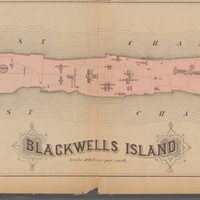
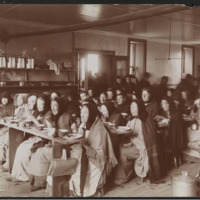
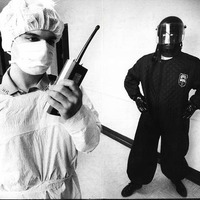
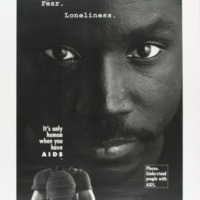
The stories in this exhibit are meant to trace the effects of that policy through the real lives of those who experienced it first hand. From the hospital complexes built to cloister the poor and sick on Blackwell’s Island to the clinics where patients with HIV and AIDS were isolated from others and denied adequate care, Medical Isolation aims to emphasize the loneliness, stigma, and marginalization produced by public health policy that separates healthy, able-bodied, normative New Yorkers from those that are seen to be ailing.
More than anything, we hope that Medical Isolation can humanize the subjects of public health policy in New York City and complicate sanitized narratives of medical progress that are used to moralize disease, stigmatize poverty, illness, and disability, and justify barriers between marginalized groups and medical resources. In some cases these resources highlight the horrendous state (both physical and mental) in which New Yorkers were force-isolated, contributing to an overarching sense of hopelessness for future change. By sharing personal accounts from the city’s past, we hope to recontextualize the broader events in terms of human cost for students of New York City history at any level, especially high school and early college students or those considering medical or social justice work.