Is Choice Enough? The Struggle to Define the Fight for Abortion
It is important to understand the context in which pro-abortion movement activists define their cause. Is it defined as healthcare? Family planning? A personal choice? A social issue? Or a matter of racial justice? Activists and organizers from across the abortion movement use messaging to define their cause, communicate with one another, and explore the various beliefs within the struggle. This archive demonstrates how movements that sometimes appear homogeneous are, in reality, heterogeneous.
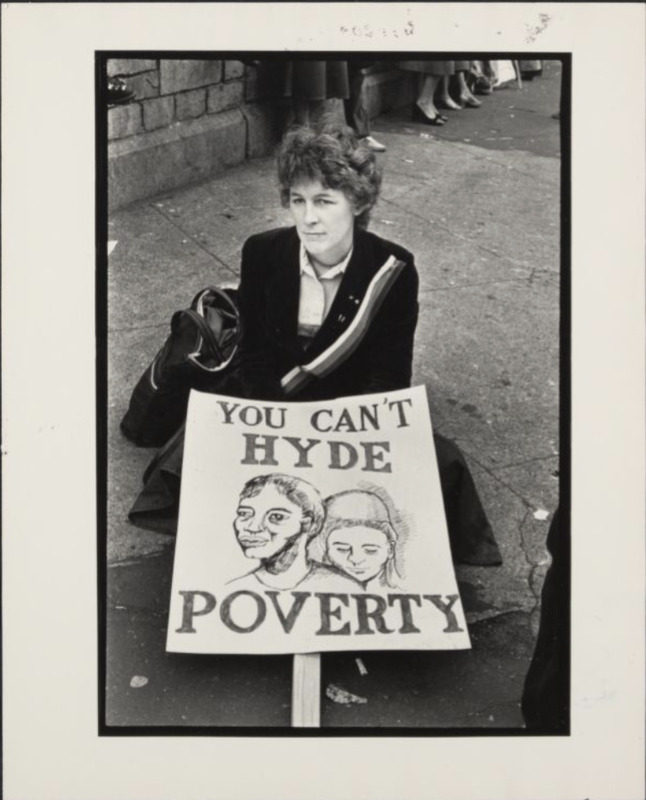
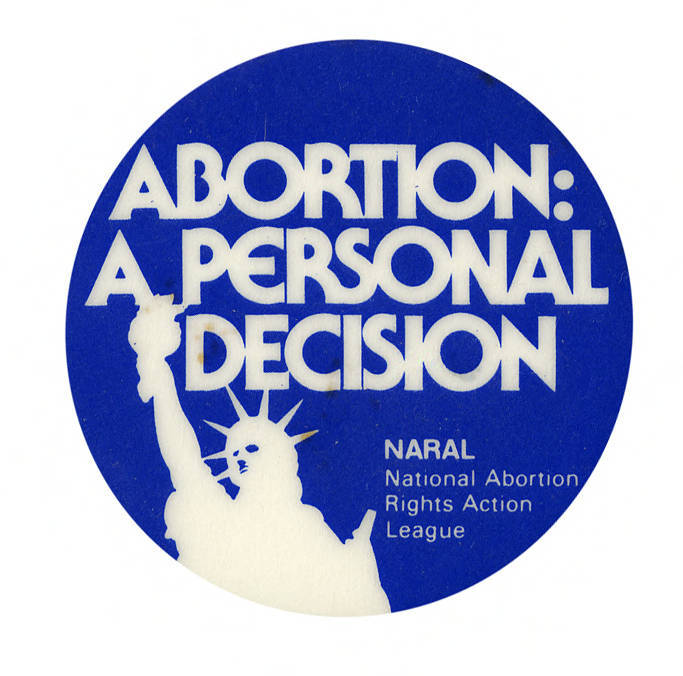
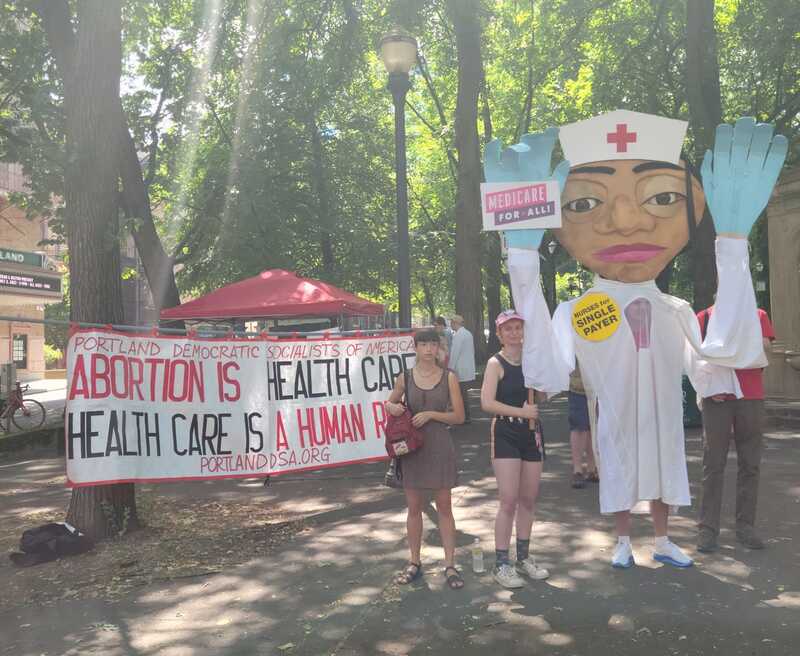
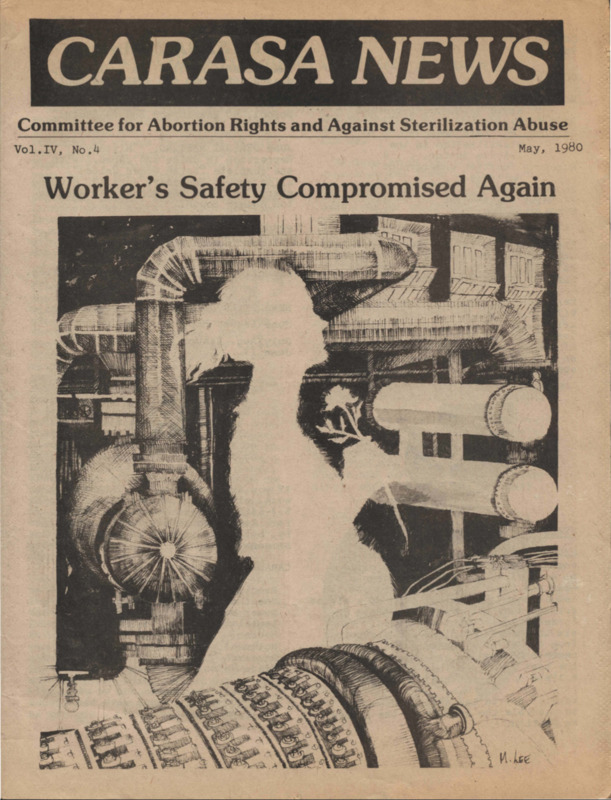
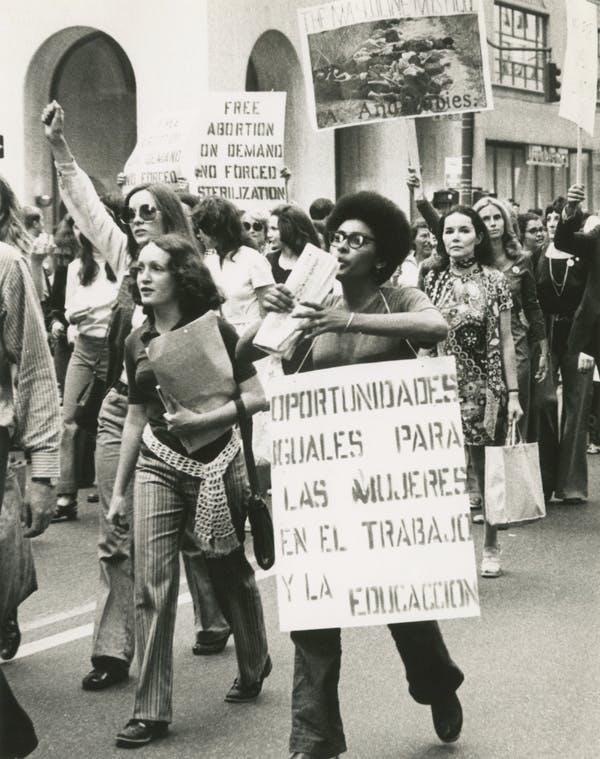
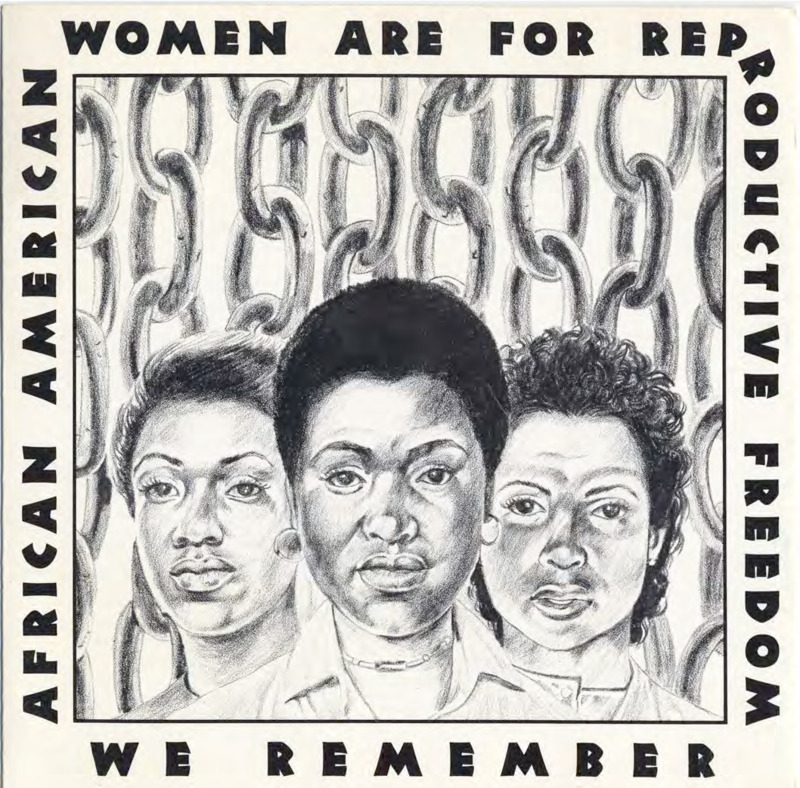
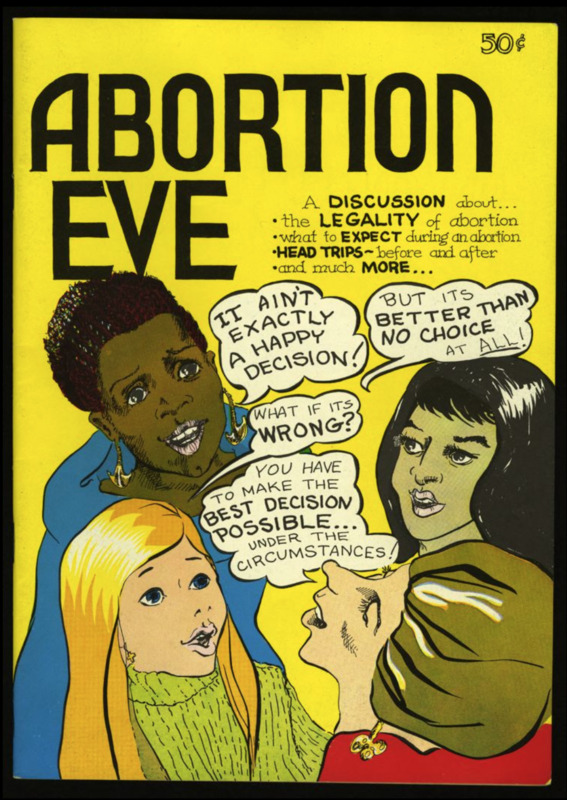
Since the 1960s, the pro-abortion movement has contended over the social and political meaning of abortion rights. On one side of the debate is a framing that narrows the definition of abortion to an individual’s choice around obtaining a medical procedure. This framework was posited by predominantly white, middle-class layers of the movement, such as the National Organization for Women (NOW) and NARAL Pro-Choice America (formerly known as the National Abortion Rights Action League). On the other side, Black feminists, radicals, socialist feminists, and other left-wing groups have pushed the movement to expand its definition beyond a procedure to that of reproductive freedom. These pro-abortion radicals have spent time criticizing the narrowness of the “choice” framing asserted by their middle-class counterparts. They have contextualized the fight for abortion as part of wider systemic issues, such as equitable healthcare, human rights, family planning, bodily autonomy, socioeconomic equality, and racial justice. This collection highlights how various groups define what access to abortion means for them.
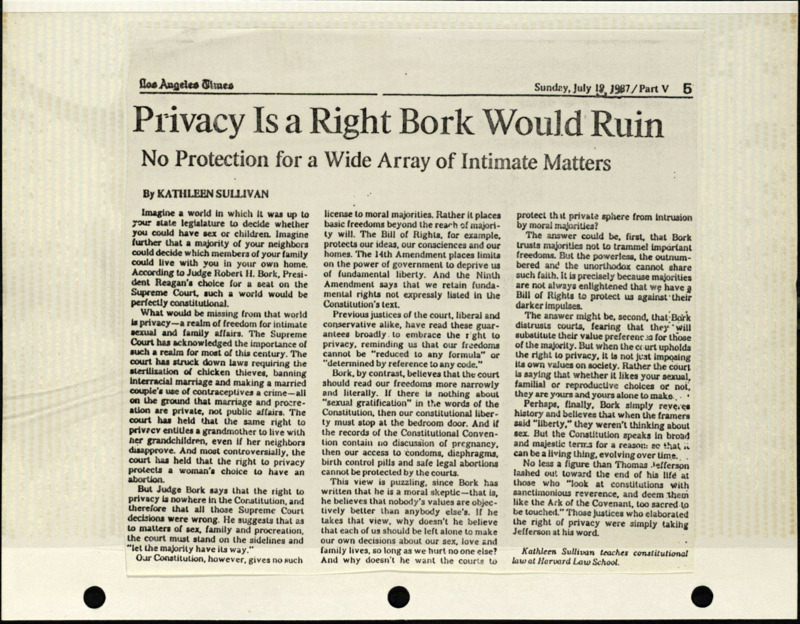
The legal foundation of the Roe v. Wade ruling in 1973 was determined on the notion of a privacy right as opposed to a human right. At the heart of the legal ruling was the question of confidentiality between a patient and a doctor. Since the ruling, many abortion activists have noted the limitations of only addressing the right to privacy, and the failure to recognize the shortcomings of a system that lacks reproductive rights and promotes economic and racial subjugation. In light of the recent court ruling to overturn Roe, it is important for modern-day activists to look to the foundations of the movement to gain insight into past shortcomings. With these insights, the current significance of the continuing abortion movement becomes clear.
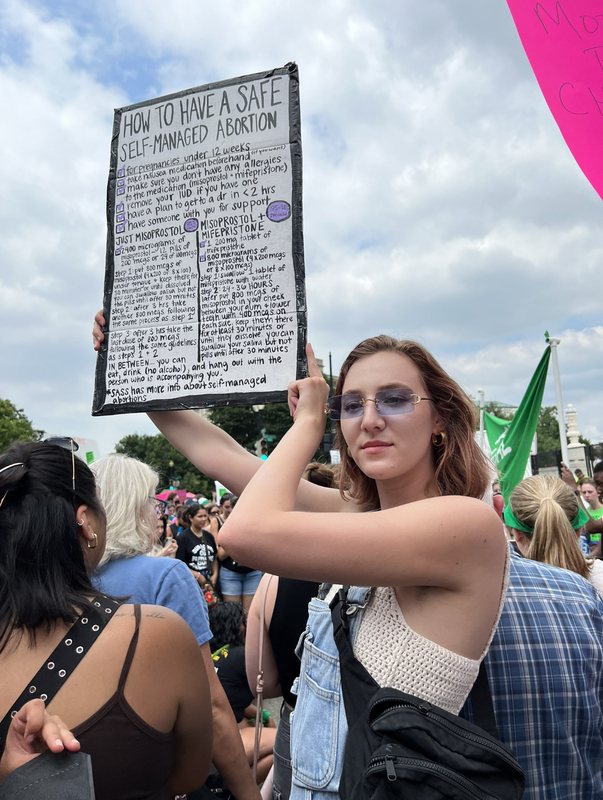
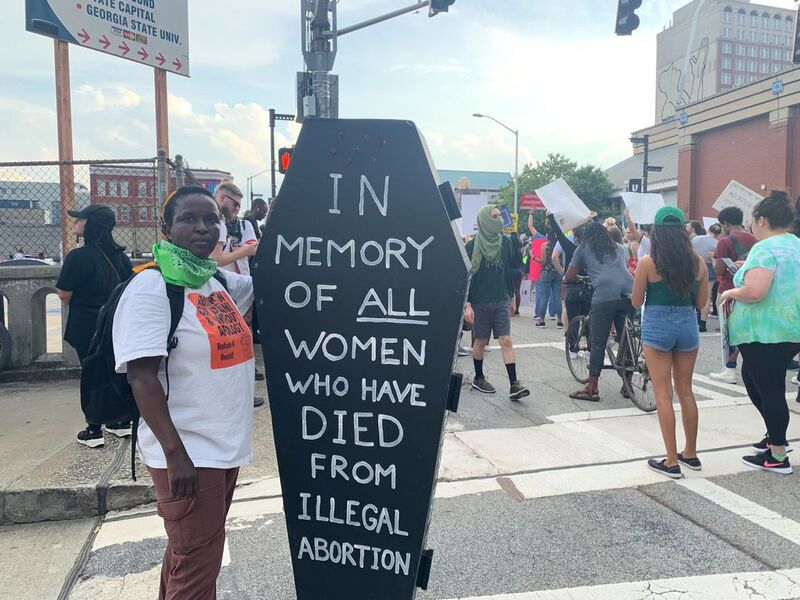
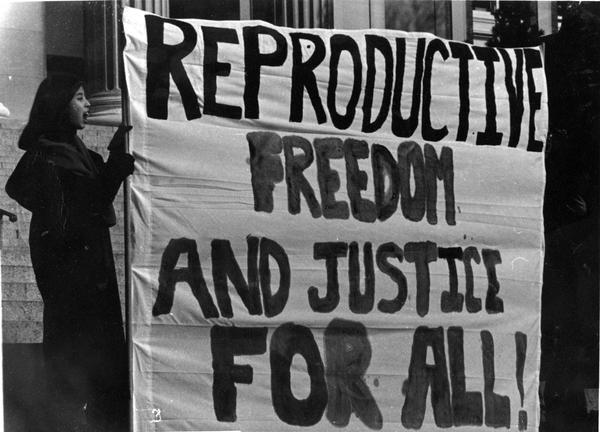
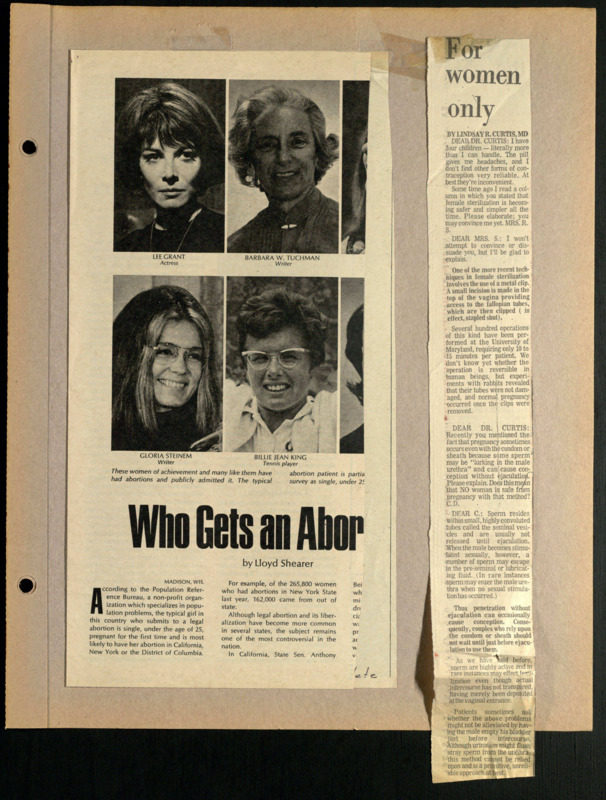
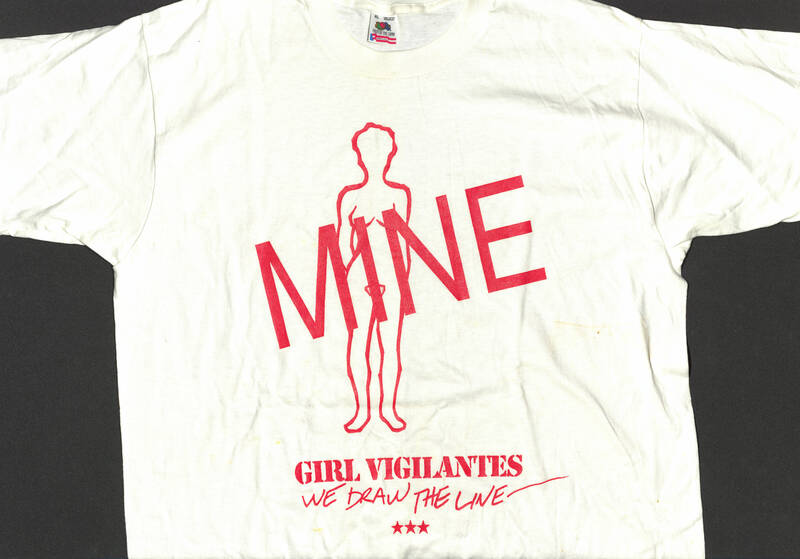
By looking at items—pamphlets, banners, signs, and other movement ephemera—we can appreciate how the meaning and interpretation of the fight for abortion remains a complex political issue within the pro-abortion community. These materials represent a range of political thought relevant to the challenges that face today’s pro-abortion activists.