Science Education for American Girls
Why were girls taught science in the 19th century? What changed in the 20th century?
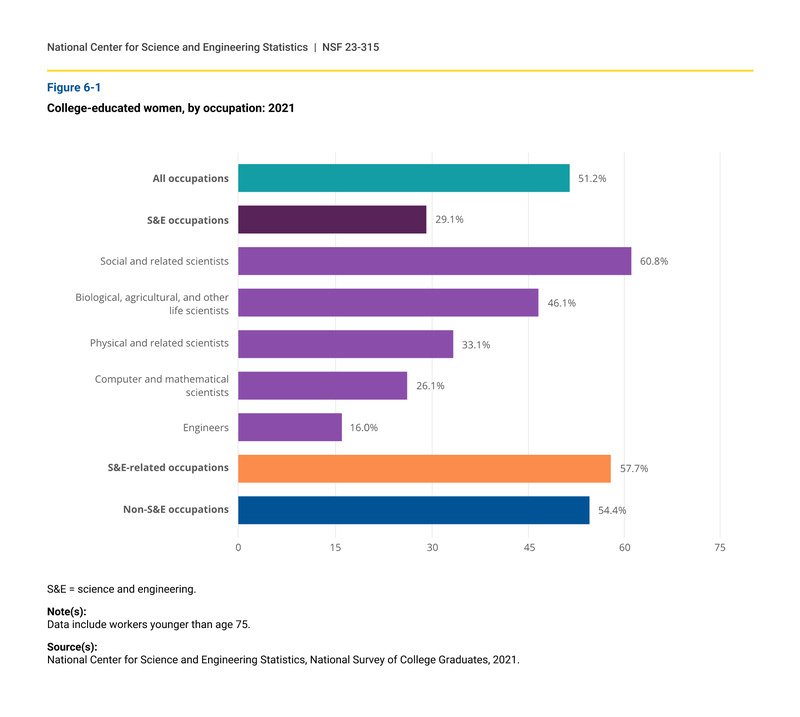
Throughout history, the science education received by American girls in schools varied greatly. After the American Revolution, science was regarded by parents and educators as particularly suitable for females. However, the beginning of the 20th century set a decisive turning point. By 1960, the number of girls and women studying science reached an all-time low. The legacies of those changes are present to this day. STEM fields are male-dominated, and recent studies suggest that female students develop a negative self-perception towards the study of science from an early age. In addition, women who pursue scientific careers are most likely to do so in the natural sciences.
This digital archive aims to bring forward a reflection of the development of scientific education for American girls throughout U.S. history. In particular, the following sources invite middle and high school students to think about the factors that might have conditioned the possibilities of women's involvement in science from an education stand-point, and to view this historical process as a complex network, rather than a linear evolution in time.
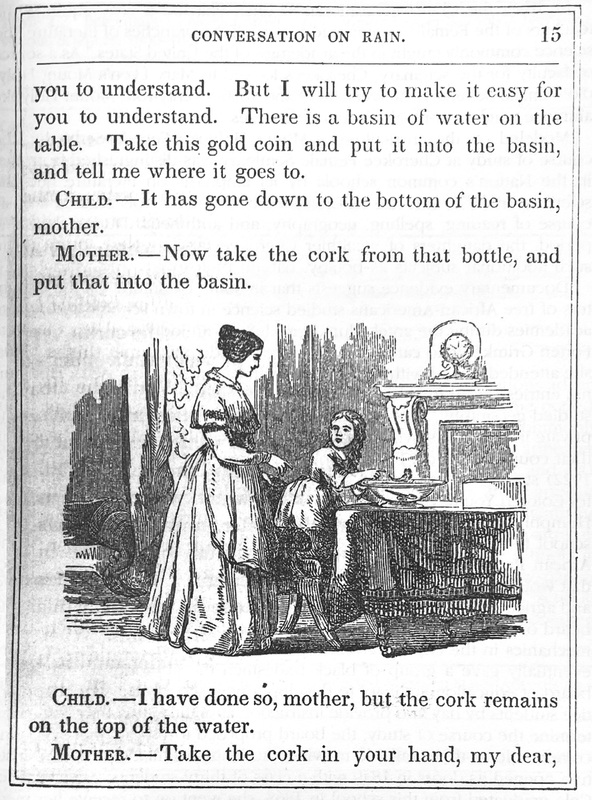
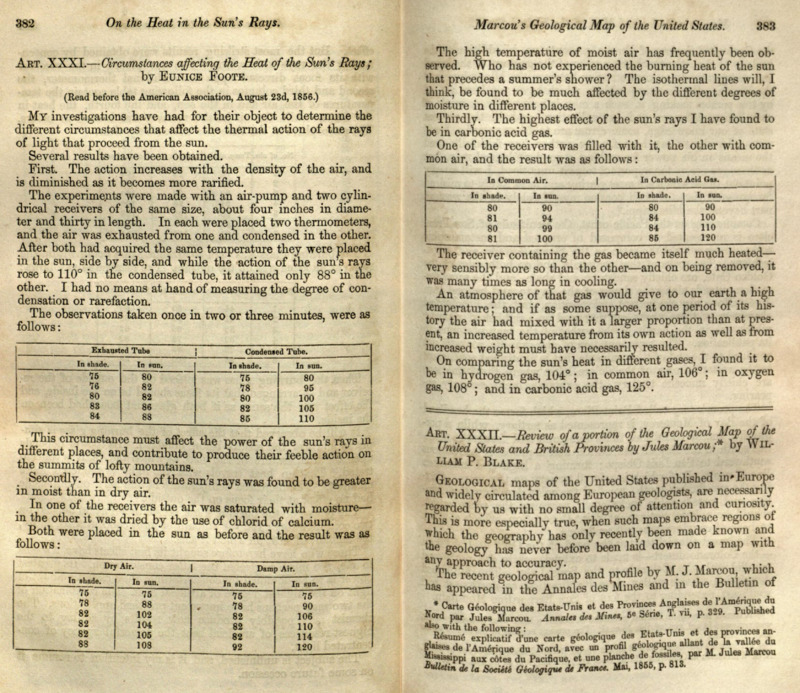
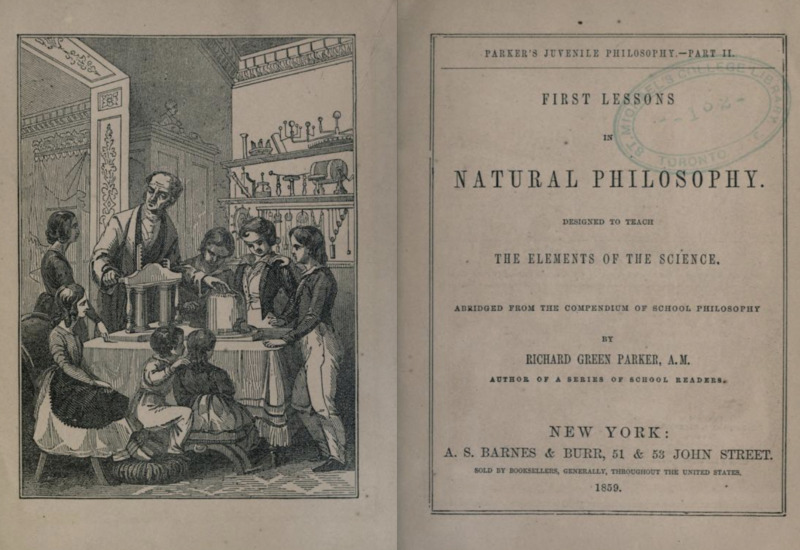
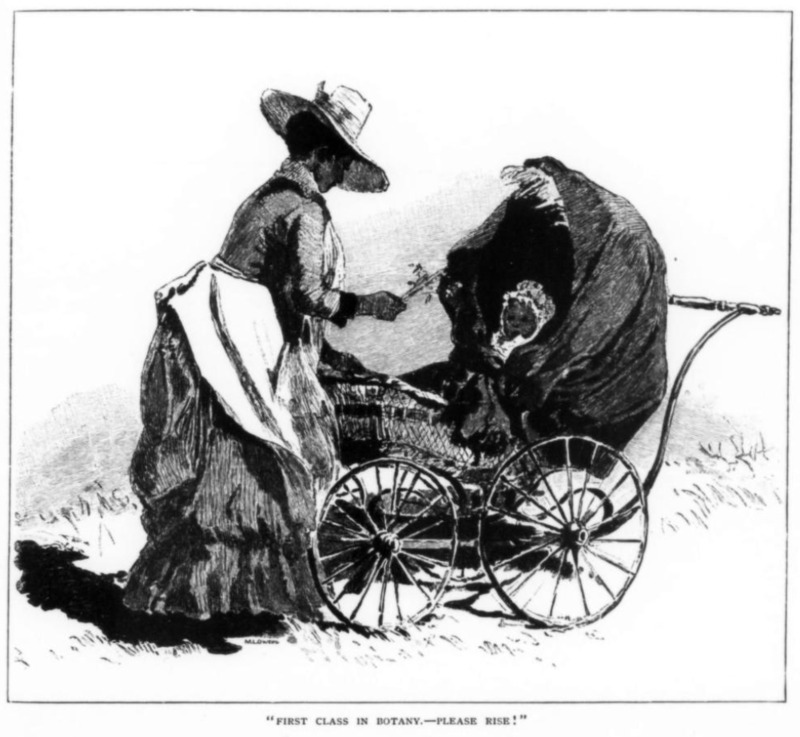
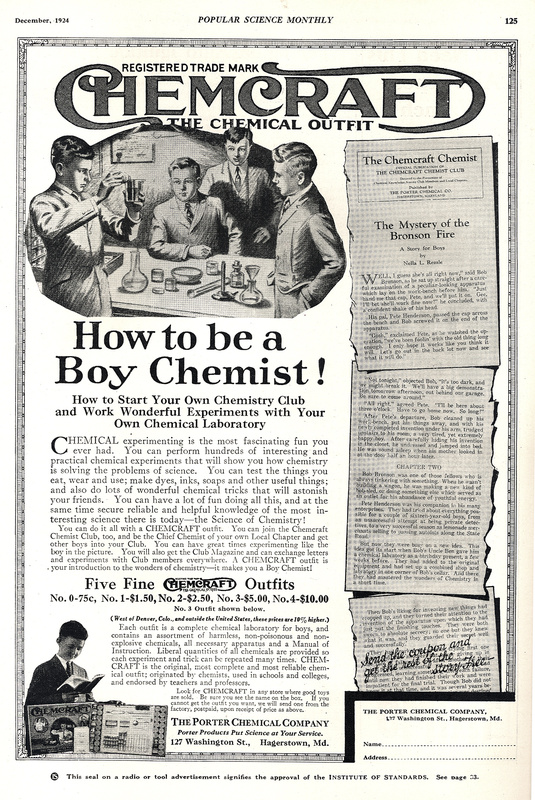
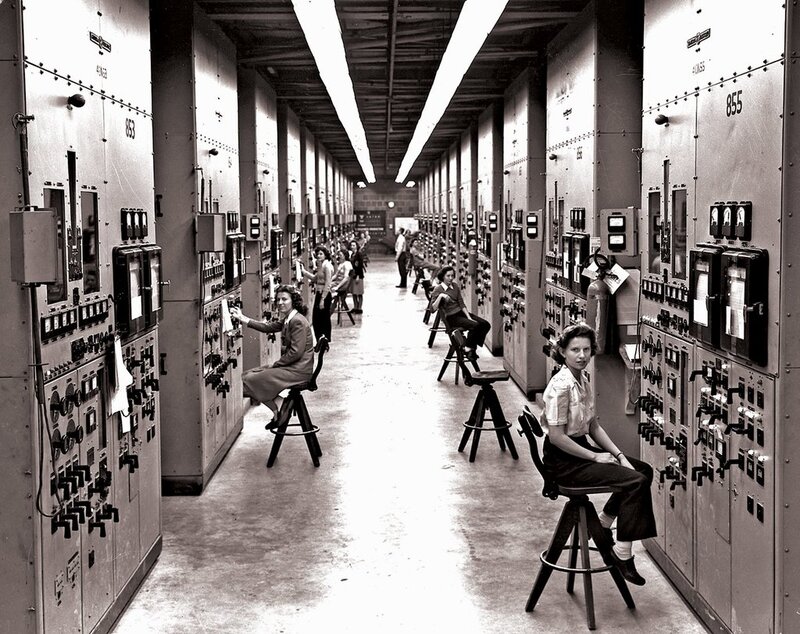
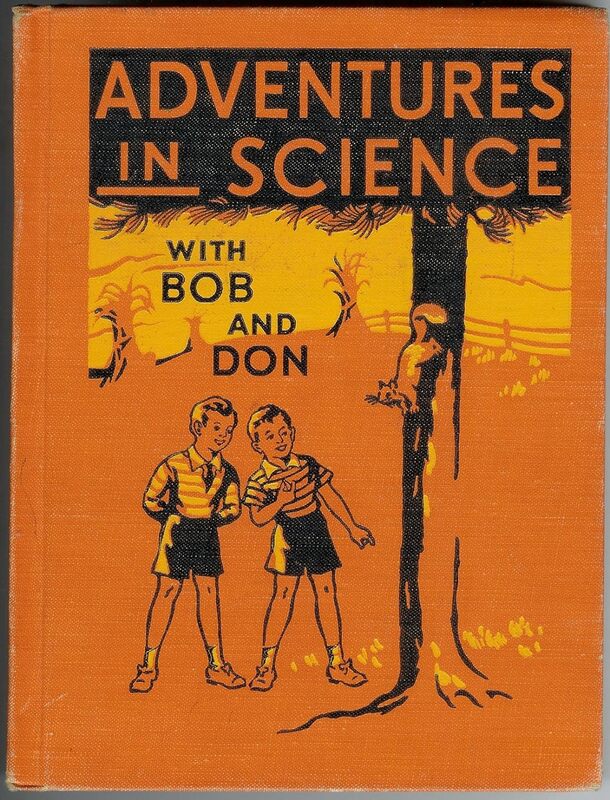
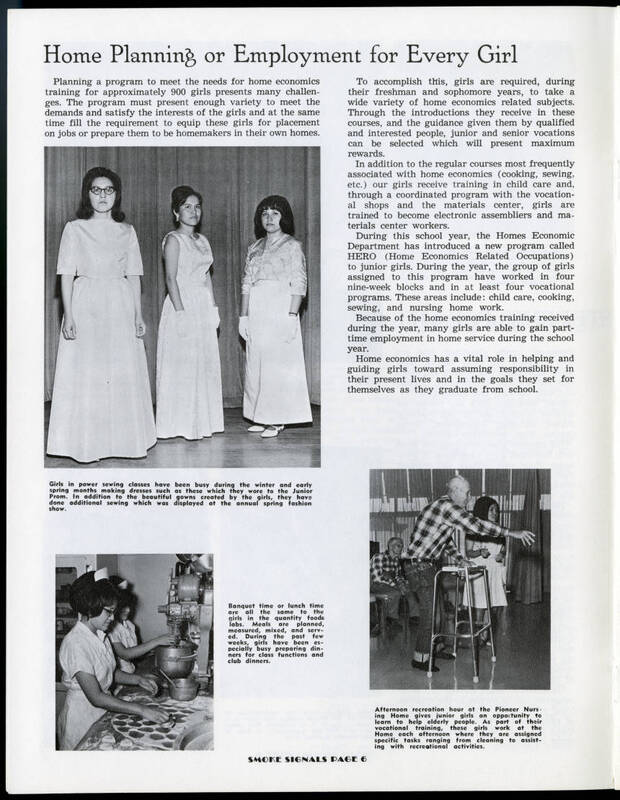
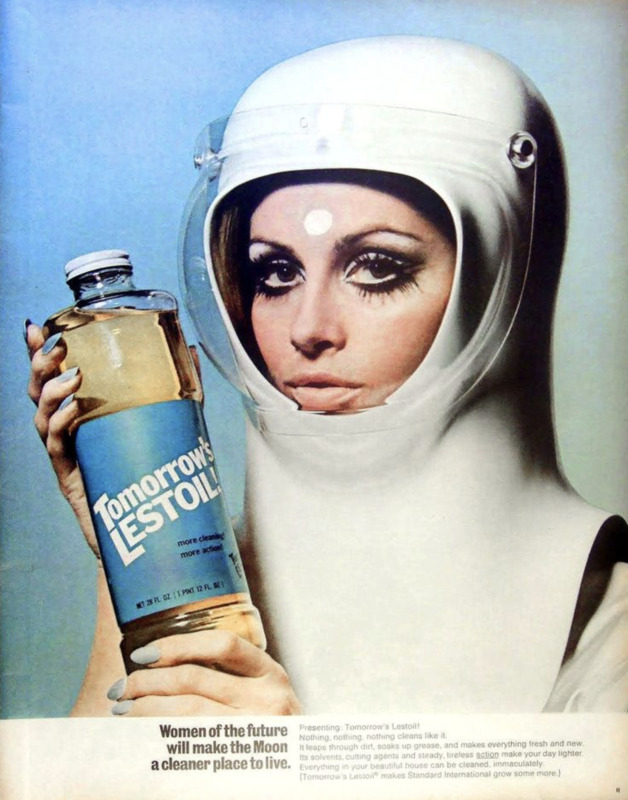
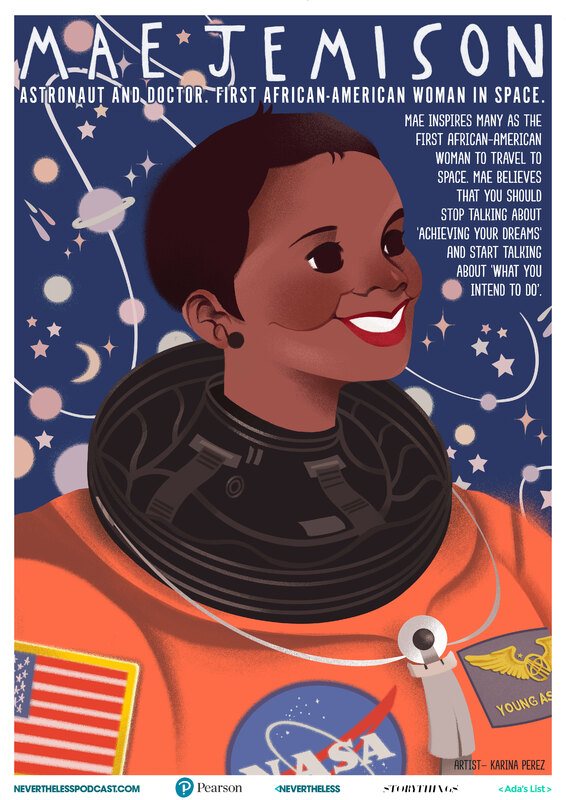
The archive draws on primary and secondary sources spanning from the mid-19th century to the present. These sources provide evidence of the types of education received by girls; of depictions associated with science education and STEM careers in popular culture; and of female professional involvement in scientific fields.
This project can also be viewed as an interactive timeline here.