
Browse Items (72 total)
Sort by:
Samuel L. Casey, Wednesday, September 21, 1864 (Statement concerning Fergus Peniston)
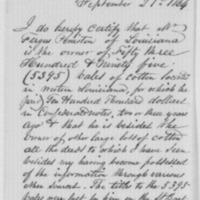
This letter to President Lincoln from former Congressman Samuel L. Casey was written on behalf of Fergus Peniston, a Louisiana cotton merchant seeking permission to transport his supplies to market. Support from politicians and friends of the…
Samuel R. Curtis to Richard McAllister, Wednesday, July 01, 1863
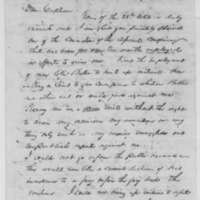
Major General Samuel Curtis flatly denied any speculation, profiteering, or abuse of power in his letter to Commissary of Subsistence Richard McAllister. Curtis attributes the charges to "an infernal conspiracy" and is adamant that he never sold any…
SCHOOL GARDENS turn Spare Time, Idle Land, Surplus Energy into Good Times, Good Things to Eat, Good Health
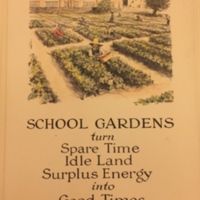
Hand drawn poster from the National Child Welfare Association on 70 fifth Avenue in New York City depicting children tending to garden plots in front of a school building
South Carolina Senator James Henry Hammond "Cotton is King" speech on floor of Senate
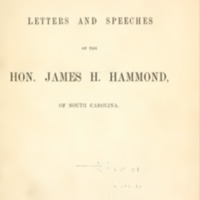
Excerpts from a speech delivered in the senate before the civil war, South Carolina senator James Henry Hammond warned of dire consequences if the south was unable to deliver cotton to the world.
State Department Despatch to William Seward from William Dayton
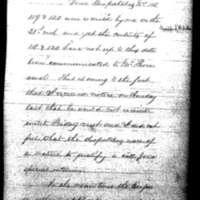
State Department dispatch to William Seward from William Dayton, recounting Louis Napoleon III's desperation to procure cotton for France.
Temporary Restraining Order
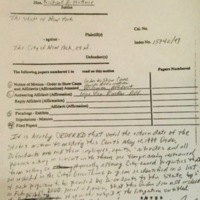
This temporary restraining order, issued by Judge Richard Huttner, protected hundreds of gardens after the destruction by the city of Esperanza Community Garden. This court order was eventually folded into the Eliot Spitzer agreement in 2002.
The Cotton Supply and the Blockade
This report in the Boston Daily Advertiser used the Manchester Cotton Report to estimate the amount of cotton that had evaded the Union blockade.
The levee at Memphis, Tenn.
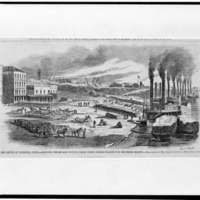
Engraving for Harper's Weekly of cotton and sugar brought out to be sold after the fall of Memphis to the Union Army.
The Stadthuys of New York in 1679
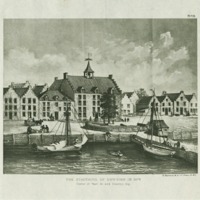
This is a drawing of New York City Hall.
The War in New England
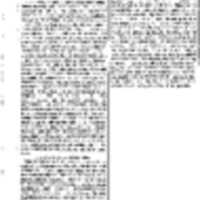
This report from the New York Herald examined the economic impact of the war on New England. While many factories shut down because of the cotton shortage, the article reported that textile workers were gainfully employed as newly enlisted soldiers…