
Browse Items (72 total)
Sort by:
Cotton Permit for Fergus Peniston
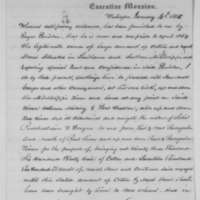
This permit authorized Fergus Peniston, a Louisiana cotton merchant, to transport and sell the cotton he possesses. In order to obtain this permit, Peniston wrote several petitions to Lincoln and enlisted friends of the administration to write on his…
Letter from Abraham Lincoln to William Kellogg, Monday, June 29, 1863 (Cotton permit for Amos Babcock)
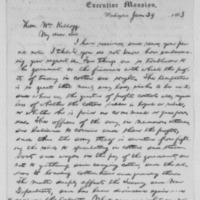
Abraham Lincoln to William Kellogg, rejecting his attempts to secure a cotton permit for former Illinois legislator, Amos Babcock. Lincoln scolded Kellogg for his single-minded pursuit of a permit and observed the corruption already associated with…
Proclamation 98 - Presidential proclamation suspending commercial intercourse with certain States in rebellion
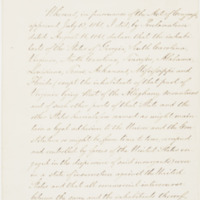
Just three months after he issued the Emancipation Proclamation, Lincoln issued a proclamation to reform the cotton trading system laid out in 1861. As trade grew in the Mississippi Valley in 1862 and 1863, the permit system was plagued by…
Fergus Penniston, Saturday, April 16, 1864 (Affidavit concerning cotton at New Orleans; certified by Michael Hahn)
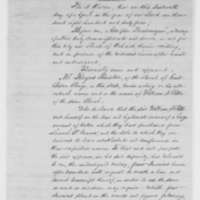
This affidavit, written by Alphonse Boudousquie and certified by Governor Michael Hahn, affirmed that Fergus Peniston and William Pike owned substantial quantities of cotton and were loyal citizens of the United States during the war. Affidavits like…
The levee at Memphis, Tenn.
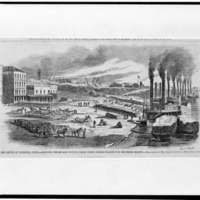
Engraving for Harper's Weekly of cotton and sugar brought out to be sold after the fall of Memphis to the Union Army.
City Settles Fate of Community Gardens
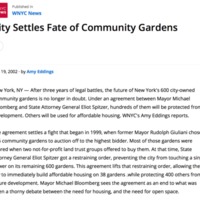
Article from WNYC reporting on the agreement between Mayor Bloomberg and State Attorney General Eliot Spitzer, protecting gardens from further private development.
Grow It Yourself: Plan a Farm Garden Today
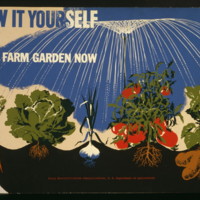
Poster for the U.S. Department of Agriculture promoting victory gardens, showing carrots, lettuce, corn, tomatoes, and potatoes growing.
Childrens School Farm
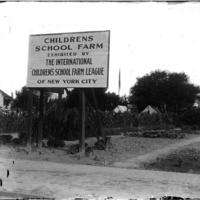
Photograph of sign reading "Childrens School Farm - Exhbited by The International Children's School Farm League of New York City."
Park Association President Whitney North Seymour Jr.
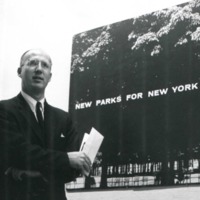
Park Association President Whitney North Seymour Jr., circa 1965, explaining the concept of using vacant lots to create 'vest-pocket parks.'
Children at play in vest pocket park, 1968
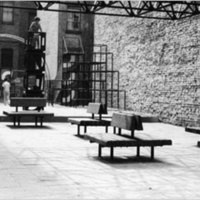
Children at play in a vest pocket park located at 182 Mulberry Street, July 13, 1968