
Browse Items (72 total)
Sort by:
Memphis Under the Stars and Stripes
In this account of the occupation of Memphis by Federal troops, the correspondent emphasized the loyalty of the locals and their eagerness to trade. He described stores of cotton and sugar hidden from the Confederates brought out to be sold in Union…
Building Liz Christy Garden, Bowery and Houston Streets, 1973
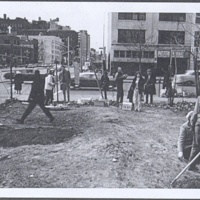
Photos from fellow activist Donald Loggins show New York City's first community garden being planted in 1973, on the corner of Bowery and Houston
The War in New England
This report from the New York Herald examined the economic impact of the war on New England. While many factories shut down because of the cotton shortage, the article reported that textile workers were gainfully employed as newly enlisted soldiers…
Mills Stopped

News article reporting the closing of textile mills in Fall River, MA.
Untitled editorial from the Providence Post
This editorial, originally from the Providence Post but reprinted in the Columbian Register, discussed views on abolition in England. The correspondent asserted that the British care more for a stable cotton supply than the freedom of the slaves and…
SCHOOL GARDENS turn Spare Time, Idle Land, Surplus Energy into Good Times, Good Things to Eat, Good Health
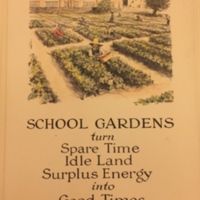
Hand drawn poster from the National Child Welfare Association on 70 fifth Avenue in New York City depicting children tending to garden plots in front of a school building
Proclamation! To all Citizens of The City of New York
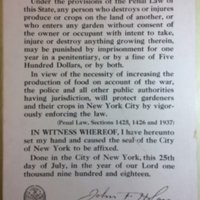
1918 Proclamation signed by John F. Hylan, the 96th Mayor of the City of the New York, declaring the punishment of any person caught destroying crops or entering gardens illegally with negative intentions.
Photograph of Fort Amsterdam Today

This is a photograph of the present-day site where Fort Amsterdam formerly stood.
An Official Report of the Rebel Commissary Department
The New York Herald published the testimony of Confederate officer regarding the effects of the official cotton trade between the Union and the Confederacy. According to the transcript, the cotton trade directly prolonged the war by giving the…
State Department Despatch to William Seward from William Dayton
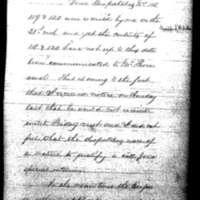
State Department dispatch to William Seward from William Dayton, recounting Louis Napoleon III's desperation to procure cotton for France.