
Browse Items (31 total)
- Collection: Trading with the Enemy: Cotton Permits, Smuggling, and Speculation in the Civil War
Sort by:
Cotton Permit for Fergus Peniston
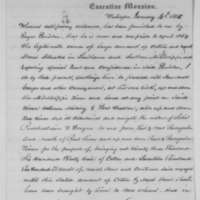
This permit authorized Fergus Peniston, a Louisiana cotton merchant, to transport and sell the cotton he possesses. In order to obtain this permit, Peniston wrote several petitions to Lincoln and enlisted friends of the administration to write on his…
Letter from Abraham Lincoln to William Kellogg, Monday, June 29, 1863 (Cotton permit for Amos Babcock)
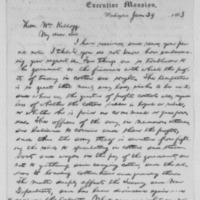
Abraham Lincoln to William Kellogg, rejecting his attempts to secure a cotton permit for former Illinois legislator, Amos Babcock. Lincoln scolded Kellogg for his single-minded pursuit of a permit and observed the corruption already associated with…
Proclamation 98 - Presidential proclamation suspending commercial intercourse with certain States in rebellion
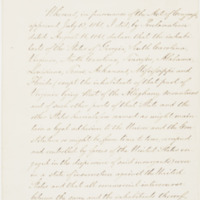
Just three months after he issued the Emancipation Proclamation, Lincoln issued a proclamation to reform the cotton trading system laid out in 1861. As trade grew in the Mississippi Valley in 1862 and 1863, the permit system was plagued by…
Fergus Penniston, Saturday, April 16, 1864 (Affidavit concerning cotton at New Orleans; certified by Michael Hahn)
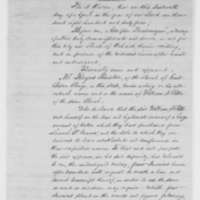
This affidavit, written by Alphonse Boudousquie and certified by Governor Michael Hahn, affirmed that Fergus Peniston and William Pike owned substantial quantities of cotton and were loyal citizens of the United States during the war. Affidavits like…
The levee at Memphis, Tenn.
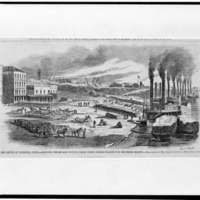
Engraving for Harper's Weekly of cotton and sugar brought out to be sold after the fall of Memphis to the Union Army.
Cotton vs. Currency
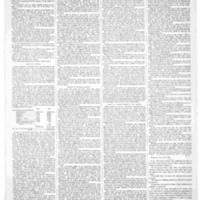
Editorial written in 1864 by Edward Atkinson, a cotton mill executive and abolition activist. He argued that the current cotton trading system is inefficient and rife with corruption. Since it did not prevent money and goods from getting back to the…
Letter from Elihu B. Washburne to Abraham Lincoln
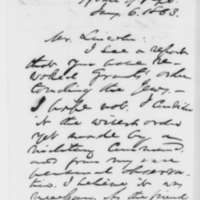
Letter from Elihu B. Washburne to Abraham Lincoln taking issue with his decision to revoke Ulysses S. Grant's General Orders No. 11, expelling Jews from his military department.
Excerpts from Washburne’s Report on Trade with the Rebellious States
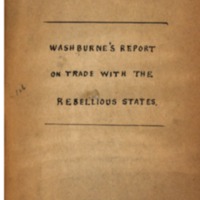
38th Congress Committee on Commerce Investigative Report to accompany Bill H. R. No. 805; Investigating Trade with Confederate States.
An Official Report of the Rebel Commissary Department
The New York Herald published the testimony of Confederate officer regarding the effects of the official cotton trade between the Union and the Confederacy. According to the transcript, the cotton trade directly prolonged the war by giving the…
Fergus Peniston to Abraham Lincoln, Monday, September 05, 1864 (Requests permission to take control of property in Louisiana)
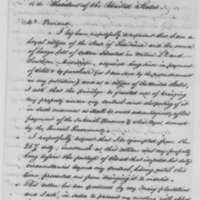
In this letter, Fergus Peniston, a Louisiana cotton merchant, requested permission from the executive branch to transport a substantial amount of cotton to market. He further petitioned President Lincoln for relief from certain taxes and to trade…